

Recently, I finished Indiana Jones and the Great Circle on my laptop. I'd recommend it to anyone interested in this genre! IMO, it's much better than Rise of the Tomb Raider. The latter has too much shooting and not enough genuinely challenging or interesting puzzles. TBH, I got bored after just a few locations (and I've played all the Tomb Raider games since the very first one!).
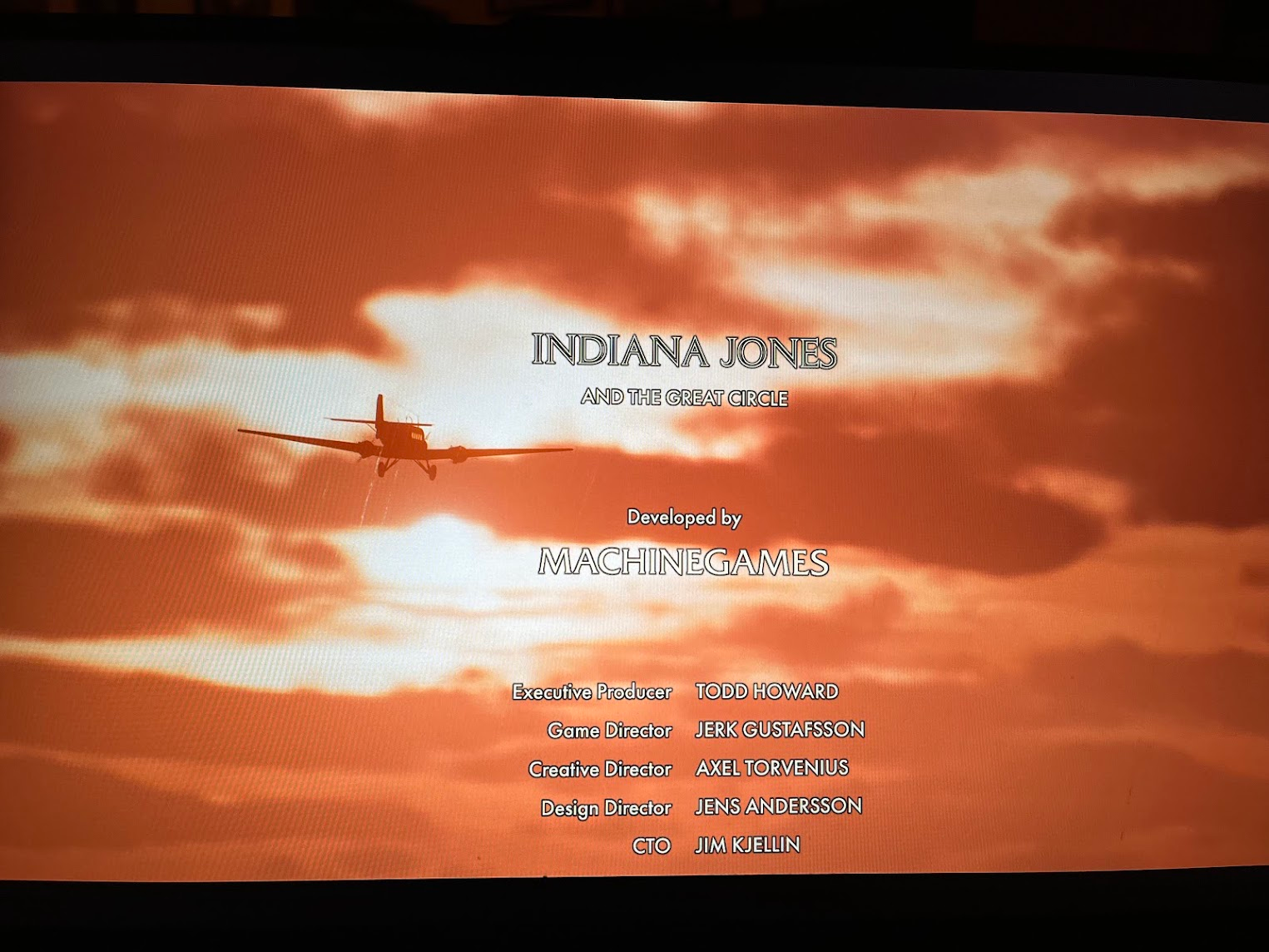
Anyway, here's a screenshot from the very end of the game (no spoilers included):
So, having finished it, I started wondering – what's next? Hogwarts Legacy, Commandos: Origins, or maybe, finally, Red Dead Redemption 2? But then I realized I was a bit tired of gaming and needed a break. Some time to let my brain settle down after the Indy story.
I think it's a pretty common feeling. You finish a game after 30 hours or so, and you don't necessarily want to jump straight into another one. No need to push it until you genuinely feel like starting a new adventure.
I could spend those free evenings watching some TV series, but we don't really do that anymore. It takes too much time, and we often end up going to bed too late. Recently, we decided to go to the cinema once a week during the weekend instead. Spending time together with the family, away from home, feels much better. So, instead, I decided to go down another rabbit hole.
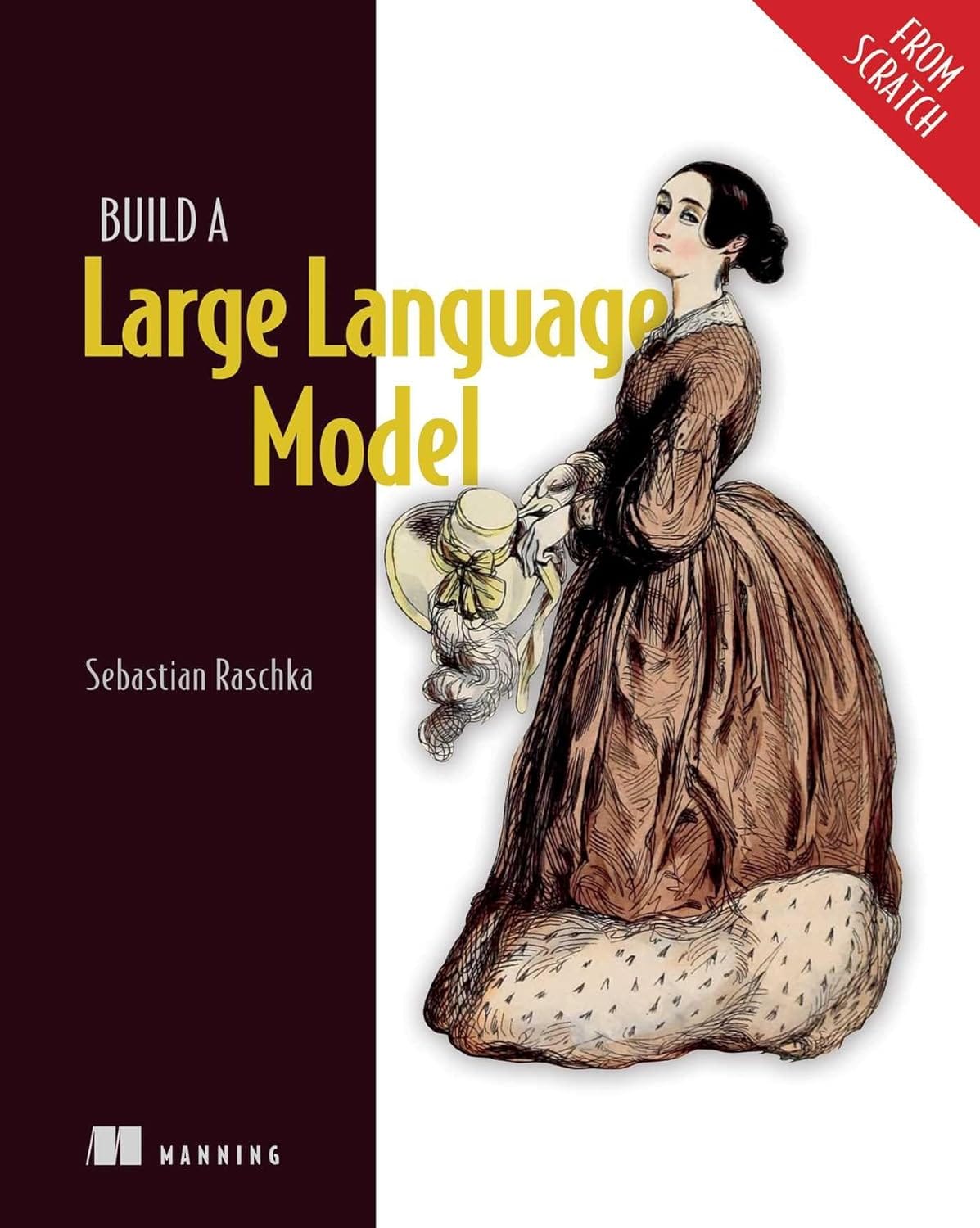
I finally got my hands on Build a Large Language Model (From Scratch) by Sebastian Raschka. It's a book (yes, a paper one!) that takes you by the hand and walks you through exactly what the title promises: building your own small, GPT-style language model from the ground up, step by step, on your own laptop:
Seems boring? No, really - it's like another game! A few chapters, some decisions to make, and you get that feeling of accomplishment after each chapter! I really love that feeling, especially when it's not connected to any external validation (like social media). Just a standard, old-school learning process that rewards you with some pretty useful knowledge.
And there are plenty of books like this, covering all sorts of technical subjects! Don't know how Kubernetes works? Build your own cluster from scratch in your spare time, when you're tired of games or TV series. Don't really understand networking? Try building a load balancer or a DNS service yourself!
There won't always be a book covering exactly what you're interested in. But hey, it's 2026 – you can ask an LLM to prepare a step-by-step course for you. E.g. instead of asking an LLM to teach you interactively, ask it to generate the entire course in advance, split into chapters, with explanations, exercises, and practical challenges. Have it save everything into Markdown files, which you can then keep locally on your laptop. Ofc start with something small, since you may learn in the process, that LLM made not-very-decent job, and the course is pretty painful. Imo this LLM-way is fragile (use with caution).
Coming back to the general idea of a "single-player" learning - I can tell you from experience that this approach works. For me, it's much more effective than passively watching online courses. In my experience, I retain information from reading very differently than from listening or watching. When I read, I can stop, think, reread something, and let it sink in before moving forward. And when you're building something yourself, you also have to answer questions, make decisions, and deal with unexpected problems. Bit similarly to solving Indiana Jones / Tomb Raider puzzles.
One pro-tip: try doing it offline whenever possible.
Remember those games I mentioned at the beginning? They have one thing in common – they're single-player games. You're on your own, exploring, thinking, solving puzzles, and focusing on one thing at a time. No constant distractions from events / lootboxes / other players (screaming to the mic all the time).
IMO, technical learning works in a very similar way. When you're focused, things just go much more smoothly. That's why I still prefer paper books (or those LLM-generated courses saved locally). You have plenty of time to think before reaching for a search engine or asking an LLM for the answer.
Sure, you might spend more time figuring things out yourself. But in my experience, you'll understand things better and remember them for much longer. And the best part? The satisfaction of finally understanding how something works is already enough. No need for achievements, leaderboards, anyone watching your progress and comparing yourself to others.
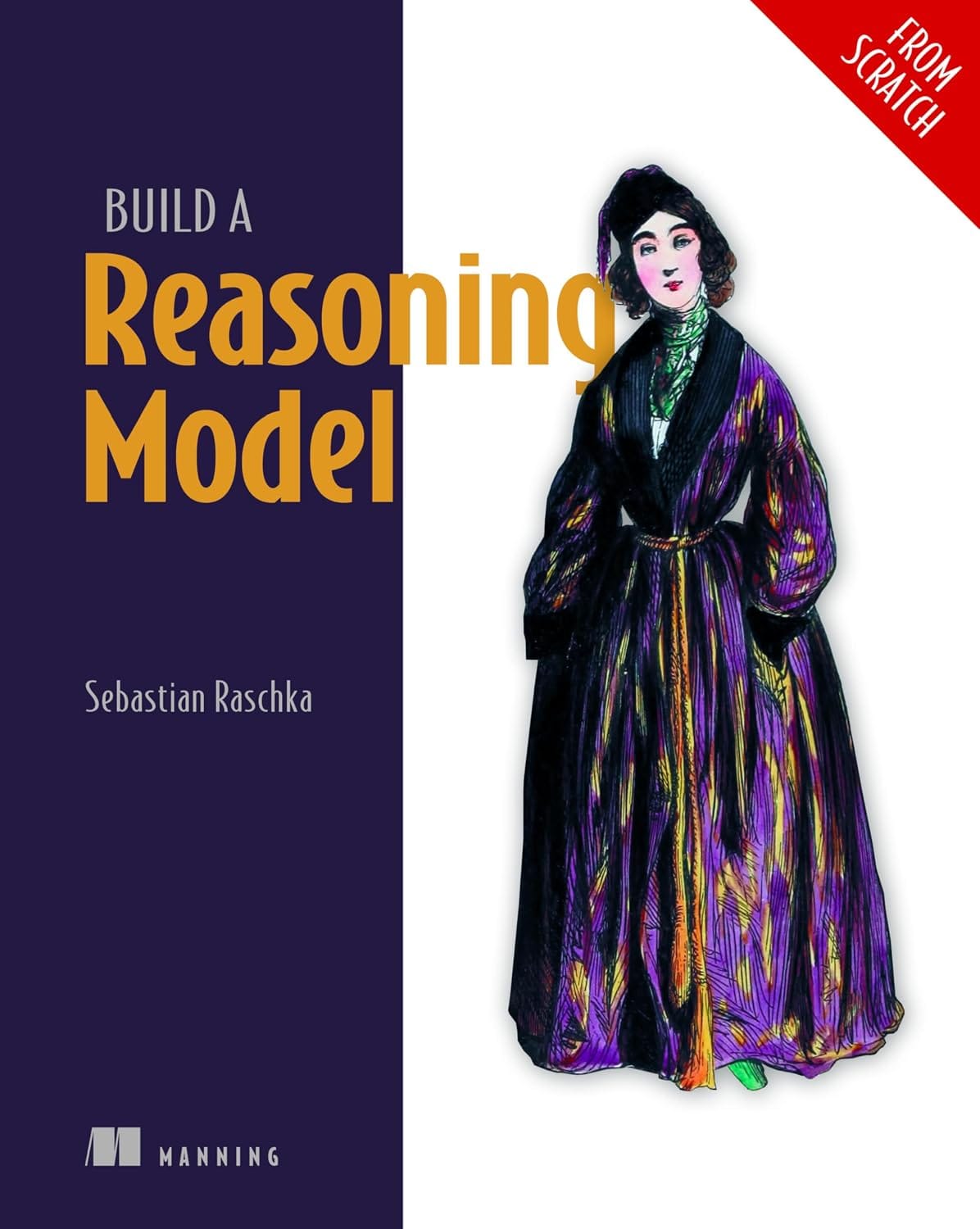
So, after writing all this, I already know what my next game will be: Hogwarts Legacy!And when I'm done with that, there's already another journey ahead - Sebastian Raschka's second book, Build a Reasoning Model (From Scratch):


Comments